Preventing flood damage on Sydney's light rail
Transdev Sydney uses Captis to monitor water levels in critical rail assets - cutting costs, reducing downtime, and enabling proactive maintenance before flood damage occurs.
The Need
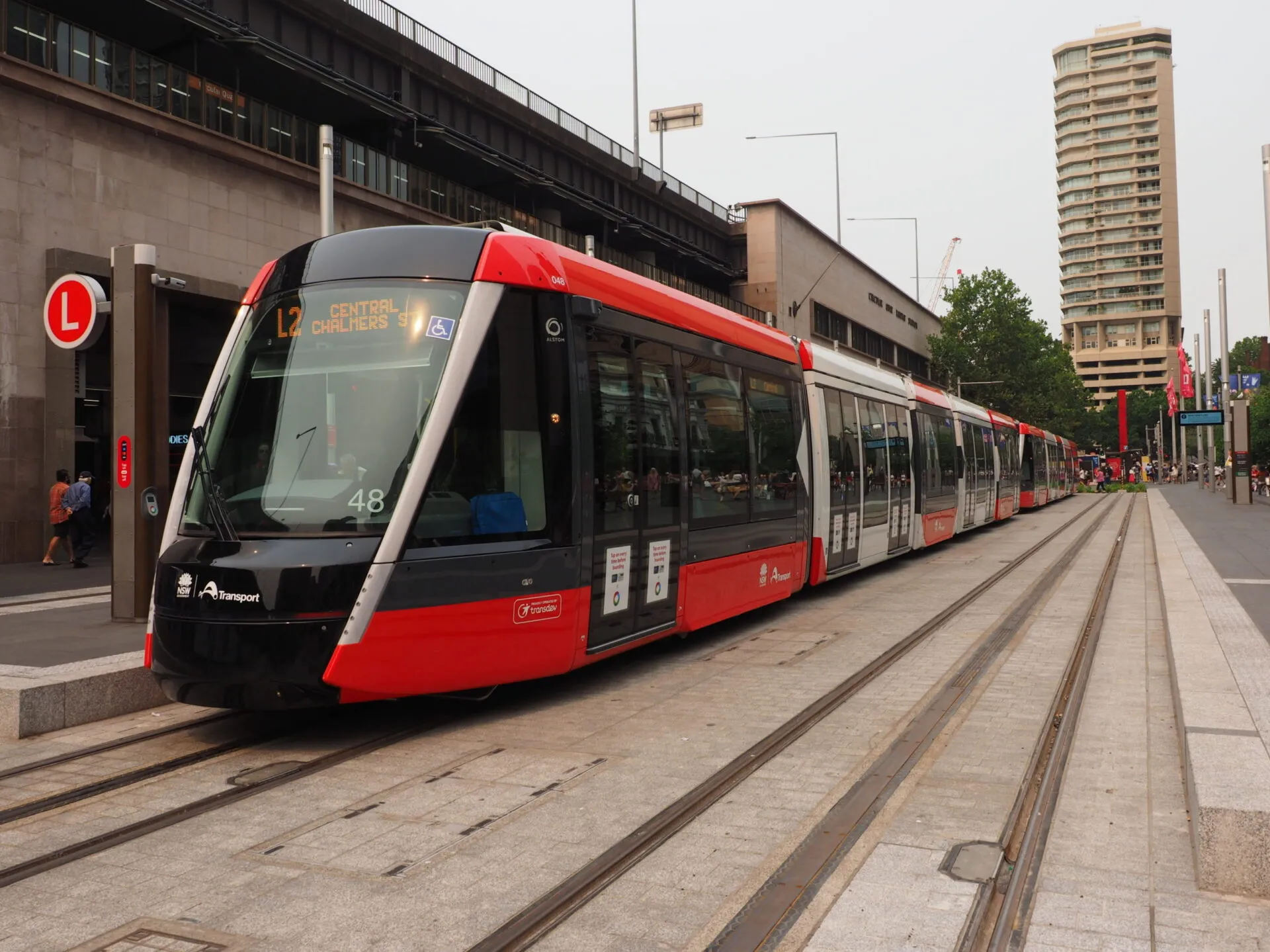
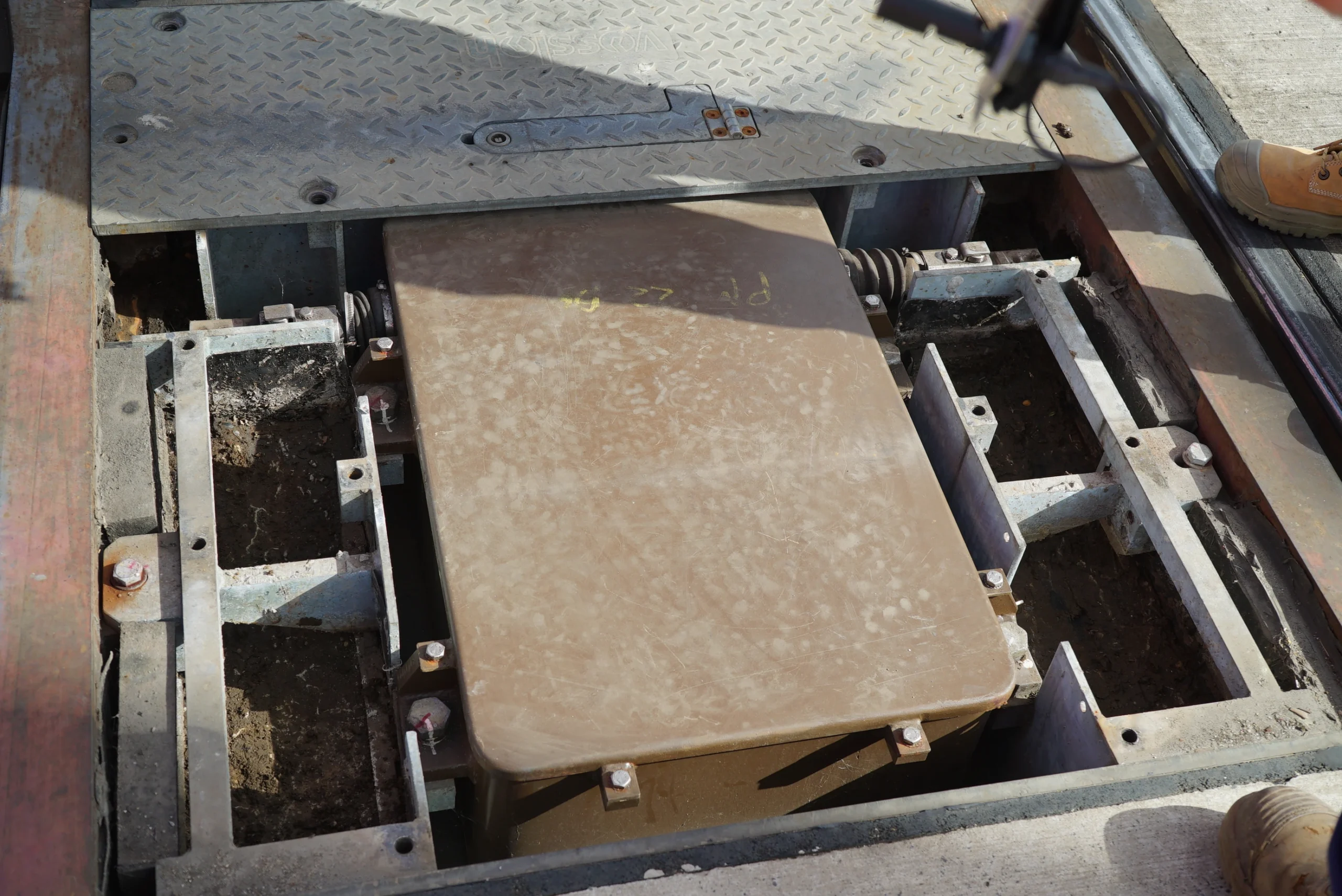
Sydney Light Rail (SLR), operated by Transdev Sydney, frequently faces flooding and water submersion at key points across its network – especially in vulnerable switch point pits.
These events threaten critical tram infrastructure, with prolonged submersion sometimes requiring full system replacements, incurring high hardware and labour costs. While SLR had identified flood-prone sites, they lacked accurate data on the extent and duration of flooding, limiting their ability to act before issues escalated.
SLR needed a solution that could:
-
Monitor flood conditions in real time
-
Prevent costly reactive maintenance
-
Support smarter resource deployment and service continuity
The Solution
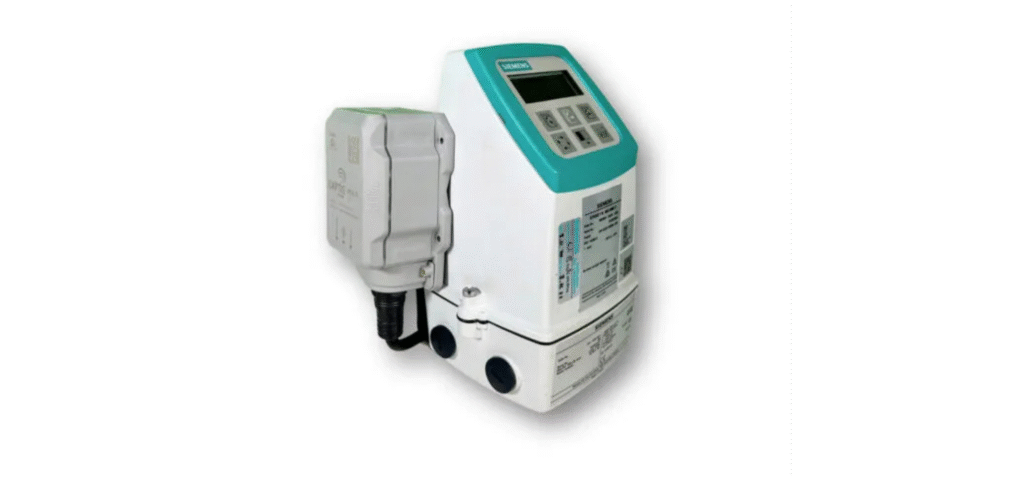
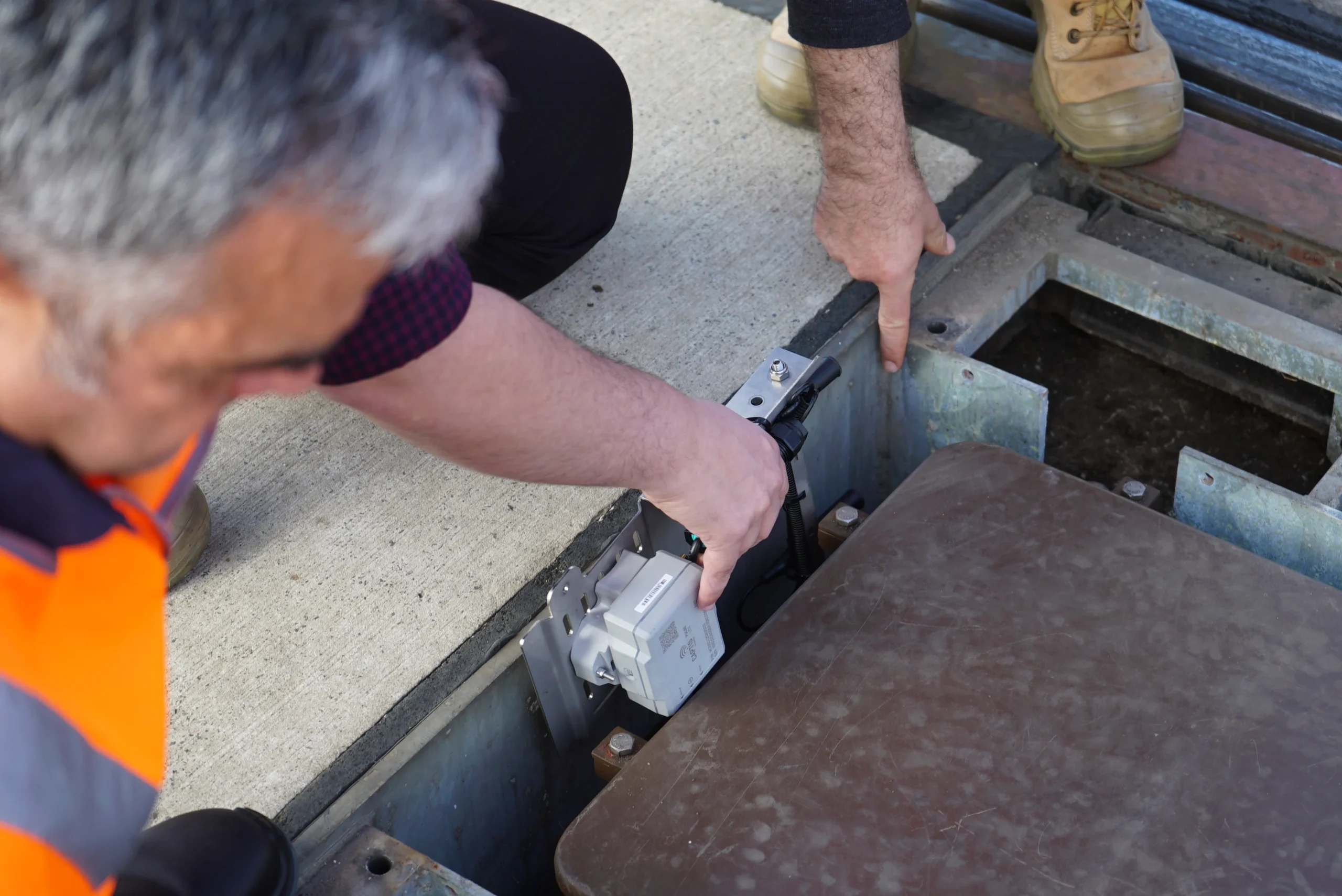
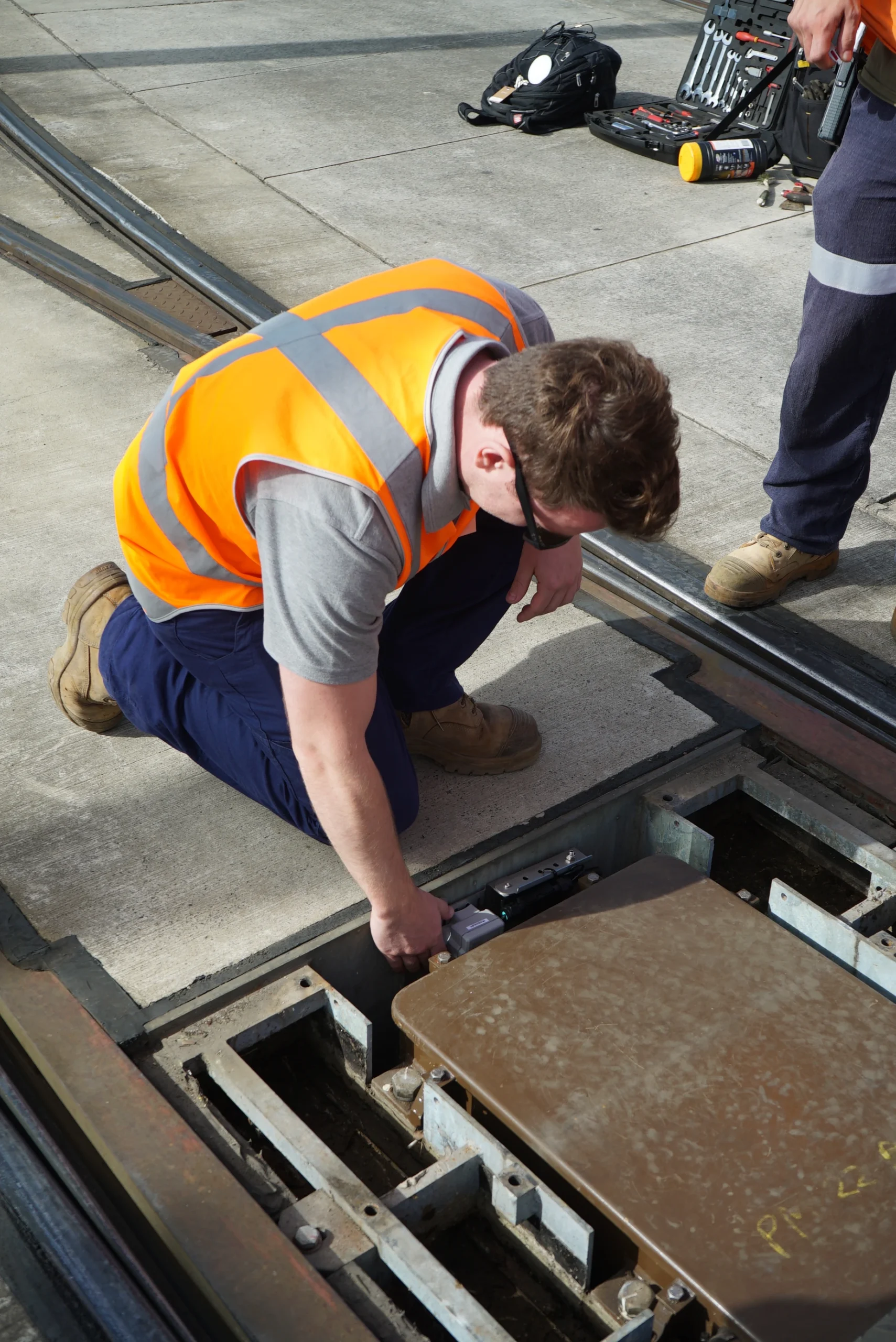
In partnership with Transdev Sydney and Alstom, Kallipr deployed a custom Captis Pulse Lite + Rail Pit Monitoring Kit solution. This flood monitoring system enables real-time visibility into rail pit conditions and includes:
-
Captis Pulse Lite: A rugged, submersion-ready device that logs and transmits data
-
Adjustable Float Switches: For precise water level detection
-
Proactive Alarming: Event-based alerts trigger only when thresholds are breached, conserving battery while ensuring immediate notification
-
Custom Brackets: Secure mounting in hard-to-access or narrow pit environments
-
Fit-for-purpose External Antennas: Reliable connectivity in challenging or buried locations
By strategically deploying these units at critical and non-critical locations, the SLR team can now detect rising water levels before damage occurs. Crews are dispatched proactively, reducing service disruption, infrastructure damage, and response costs.
Impact
-
Reduced downtime and fewer emergency callouts
-
Better planning of maintenance and flood response
-
Improved infrastructure resilience during wet weather events

How flood monitoring works across a light rail network
Play video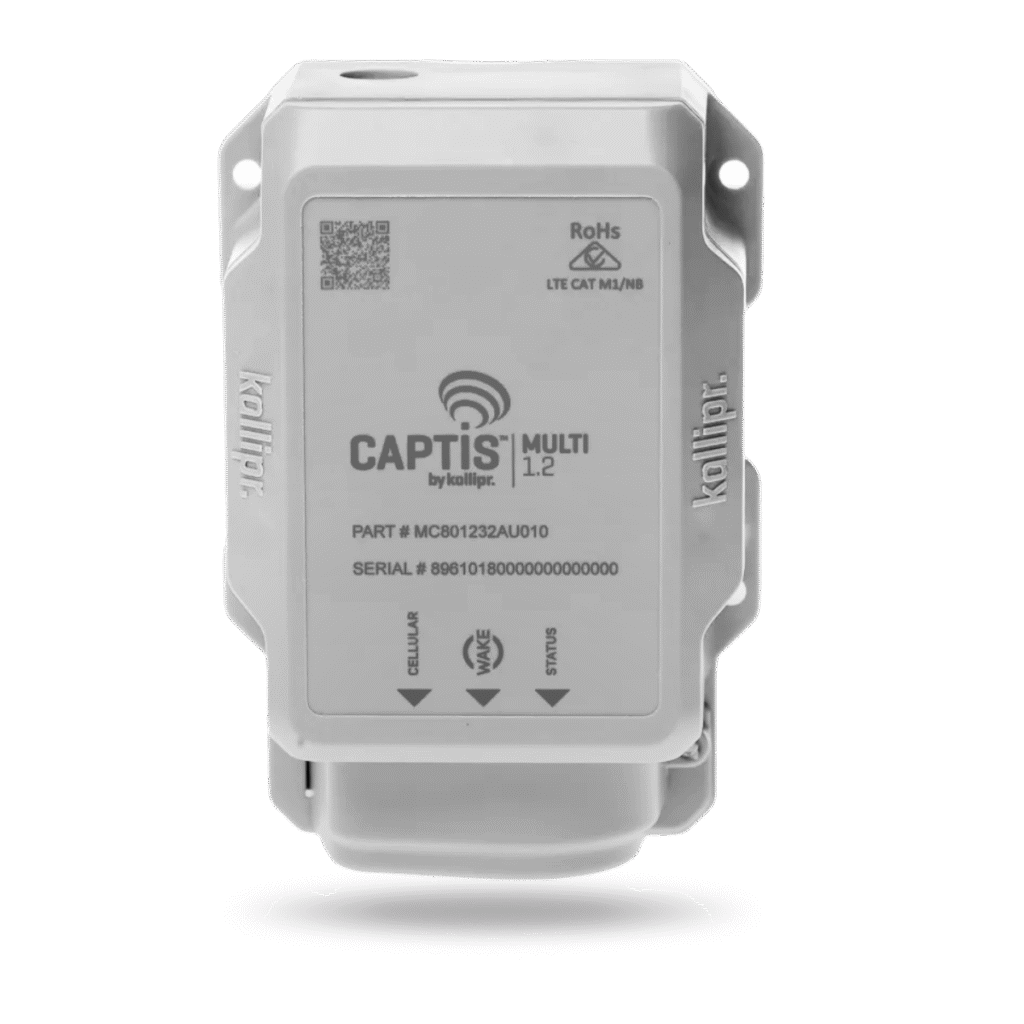
You might also like