Cutting rail delays with temperature monitoring

14,900 delay minutes avoided

In potential cost savings

15 minute data and alarm capabilities
Aurizon reduced delay minutes and unlocked millions in cost savings by using Captis to apply precise, zone-based speed restrictions across remote rail lines.
The Need
Aurizon, one of Australia’s largest rail operators, are responsible for transporting over 250 million tonnes of commodities each year. During hot weather events the rail operator holds the increased risk of the track buckling and derailment, posing a danger to operator and community safety and the environment. To prevent this from occurring, Aurizon imposes speed restrictions dependent on weather factors such as temperature. Speed restrictions can decrease by more than 40km/h once the ambient air temperature reaches 40°C (104 Fahrenheit).
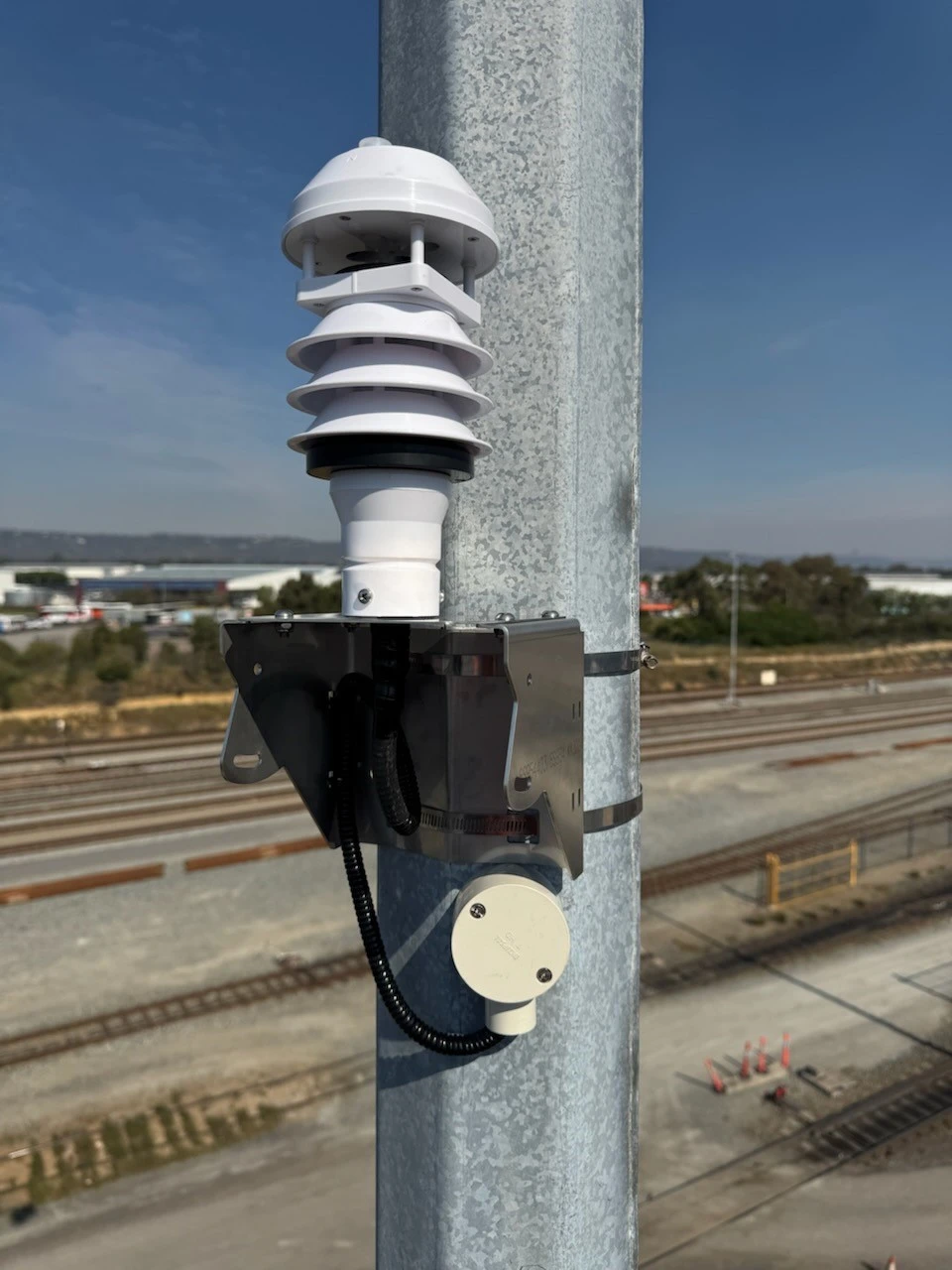
To determine when speed restrictions need to be applied, weather data was previously sourced from government agencies such as the Bureau of Meteorology. The data was obtained from the closest weather station to each section of rail network. At times, the closest weather station was over 100km from very remote sections of the rail network. With this challenge Aurizon sought to segment their network into zones and undertake their own localised track and ambient temperature monitoring.

The Solution
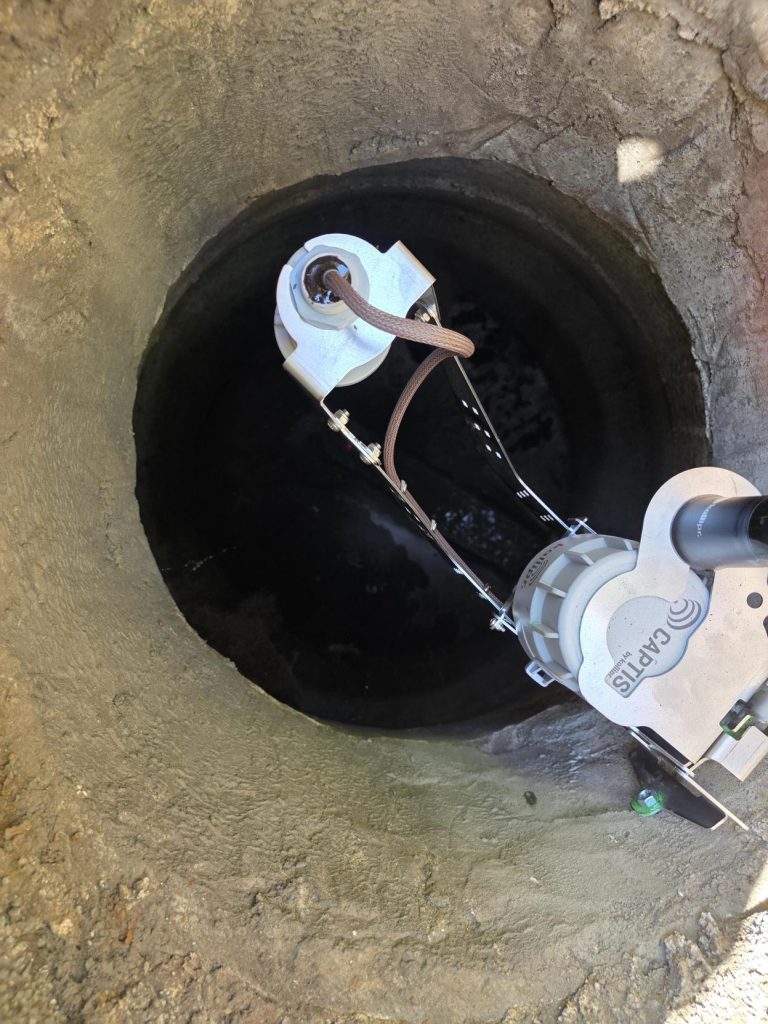
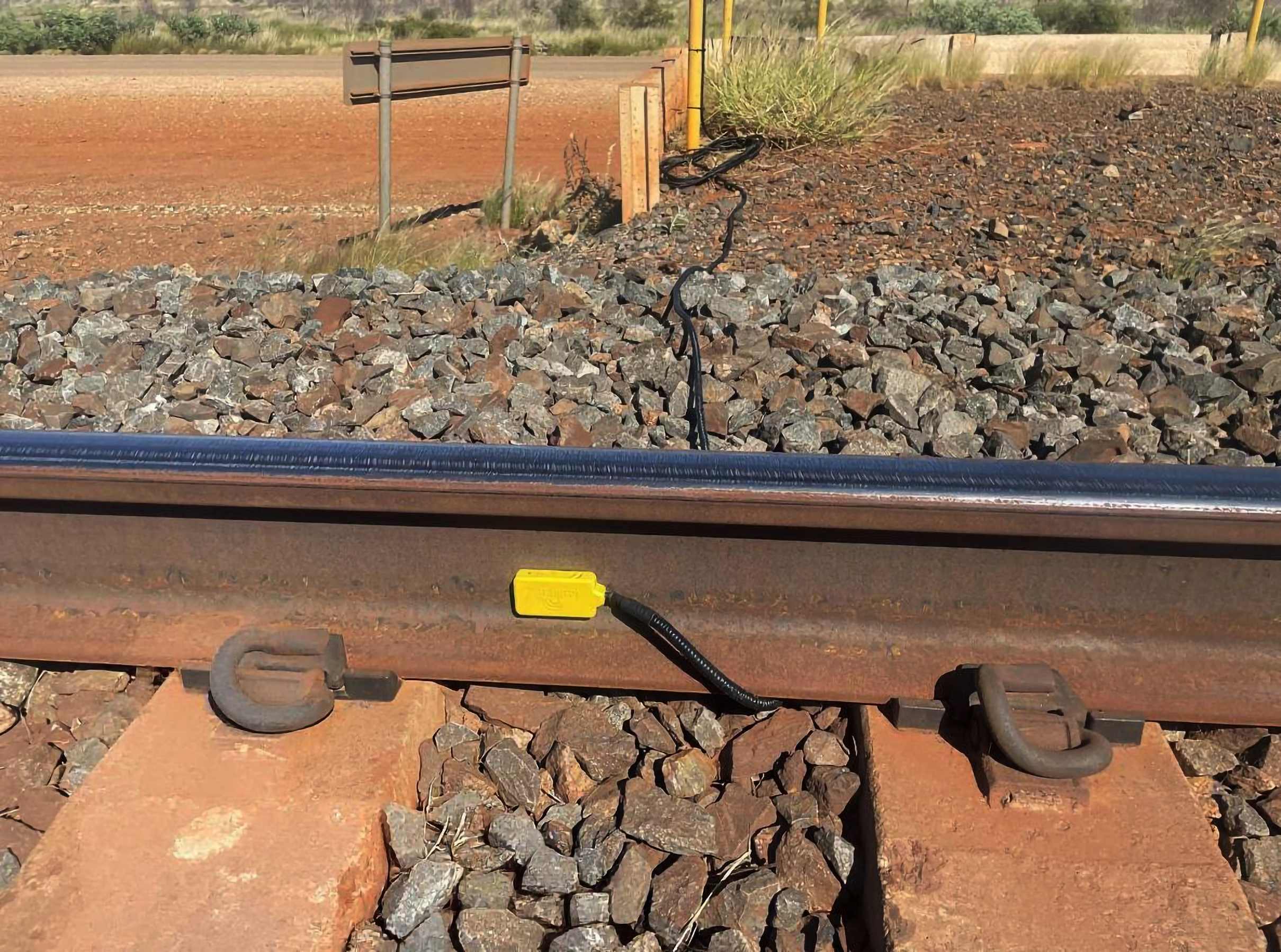
Aurizon deployed Captis Solar across key zones in their rail network. These devices connected to both ambient and rail temperature sensors and were chosen for their:
-
Multi-sensor input capability
-
NB-IoT connectivity for remote locations
-
Edge processing and onboard alarms
-
Rugged, weatherproof IP68 housing
Captis Solar logged data every 15 minutes under normal conditions, with once-daily transmissions. When temperature thresholds were breached, the device shifted to high-frequency mode: logging every minute and sending updates every 15 minutes.
This real-time, localised insight allowed Aurizon to apply zone-based speed limits only where required, rather than implementing network-wide slowdowns.
Due to the success, Aurizon is now scaling the solution network-wide using Captis Recharge.
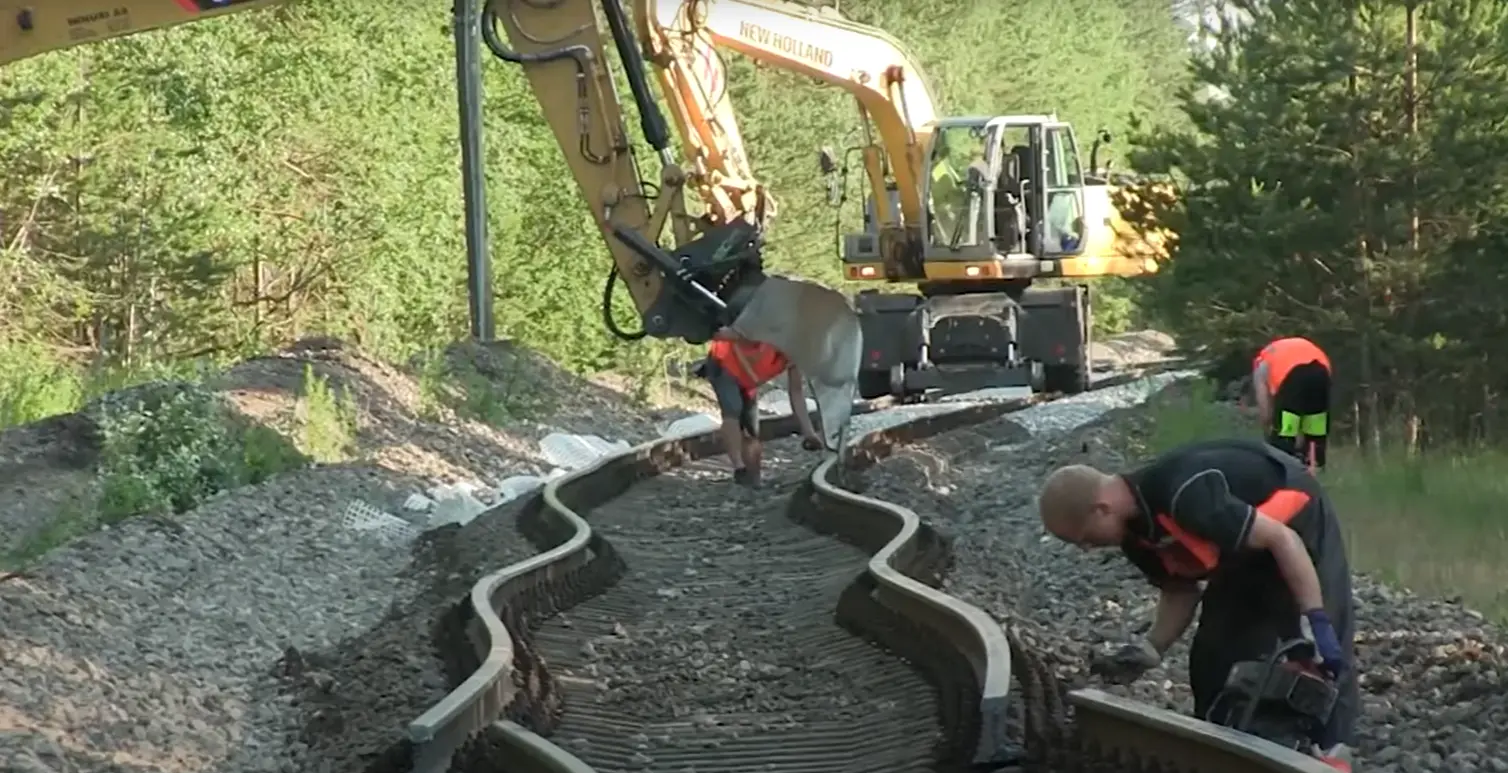
How Rail Temperature Monitoring Works
Play videoSolutions & Application

You might also like