Smarter track monitoring for tram network efficiency
Yarra Trams uses Captis to prevent flooding at switch point pits - reducing service disruptions, improving safety, and shifting to proactive maintenance across the world’s largest tram network.
The Need
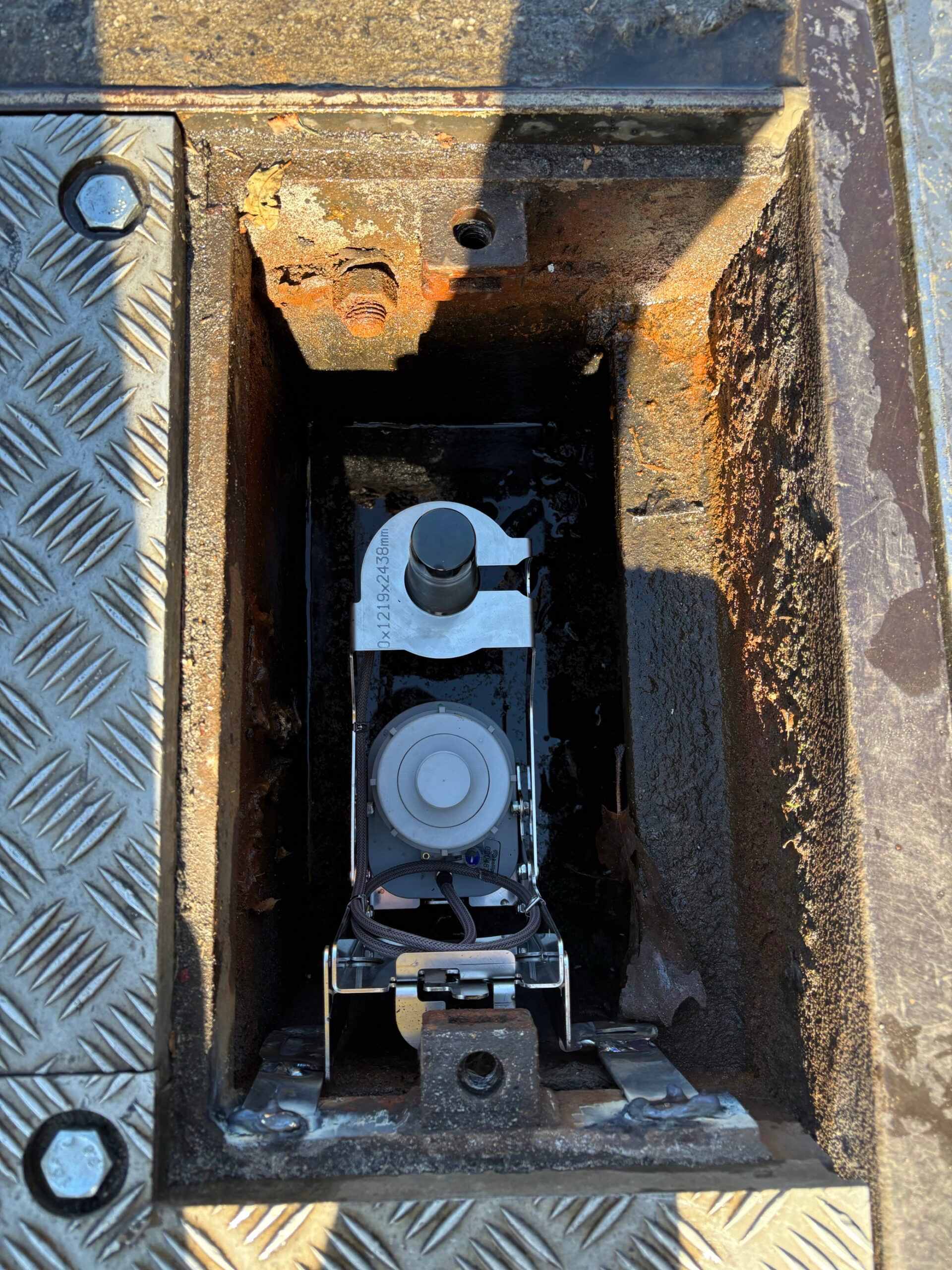
Keolis Downer, operator of Yarra Trams, operates over 250 km of double track, making it the largest tram network in the world. There are over 600 sets of switch points in the network that allow trams to change tracks and direction. The network faces a significant challenge in the ongoing maintenance of these switch point pits with the accumulation of sand and debris, which can result in prolonged inundation of water.
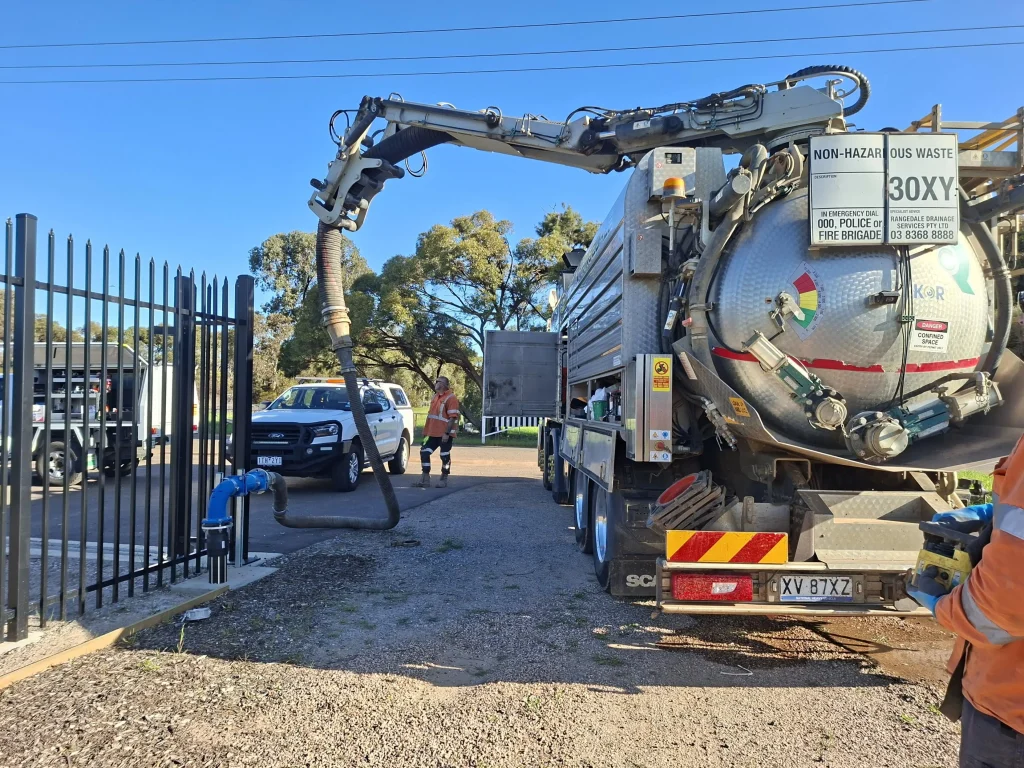
Approximately 250 tonnes of sand is used across the network each month to assist with tram braking and ensure trams can safely stop in all conditions. Their fleet of track sweepers collects about 150 tonnes of sand from the mainline each month, however a significant amount of sand still ends up in the switch point pits, sometimes resulting in partially or fully obstructed drains.
When there is significant rainfall, clogging within the pits can cause flooding on the tracks and mechanical breakdowns. This not only disrupts service delivery, but also poses potential safety risks, such as trams being directed the wrong way or being sent through deep standing water.
Yarra Trams sought a solution that would allow for them to better monitor when switch point pits are not draining adequately, allowing them to proactively manage and maintain their network.
The Solution
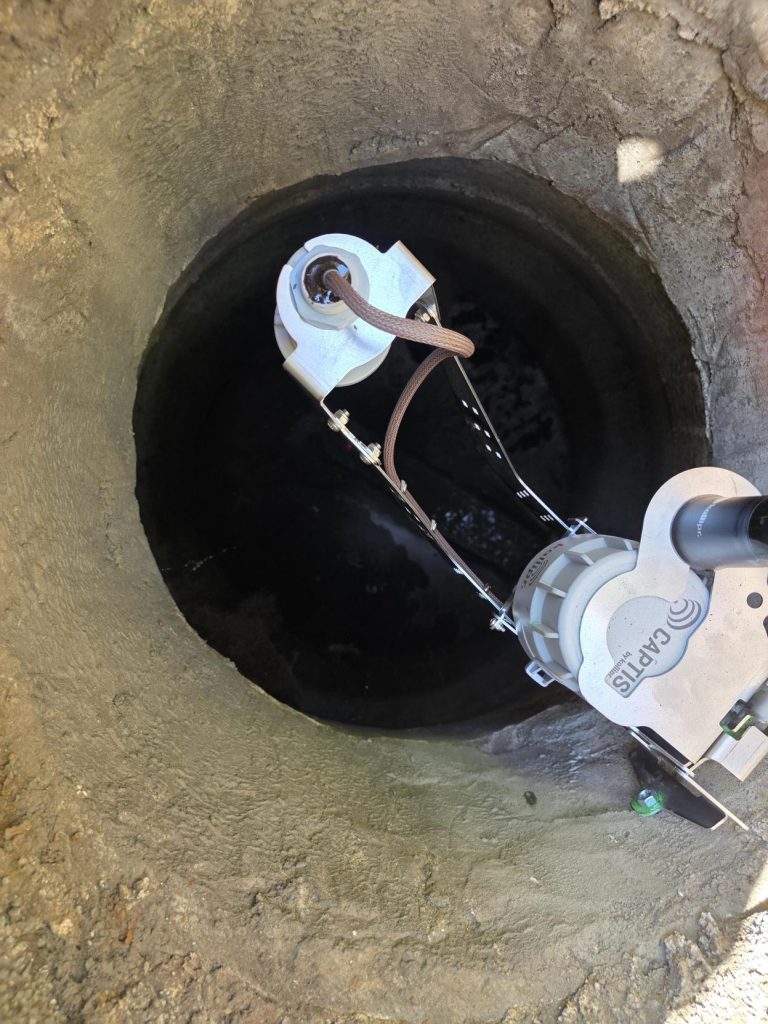
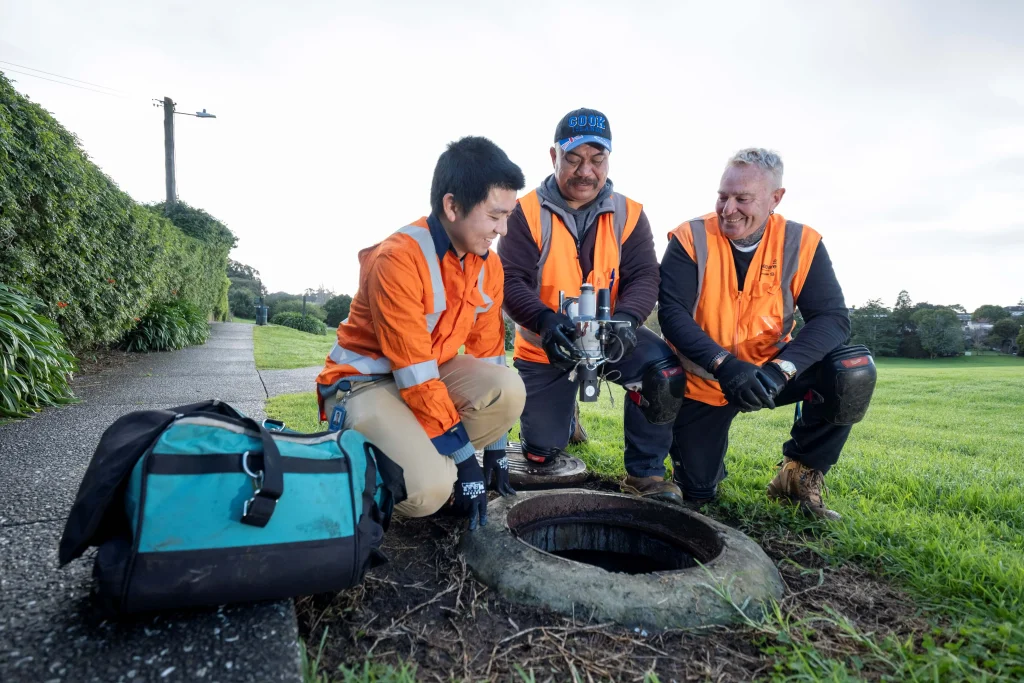
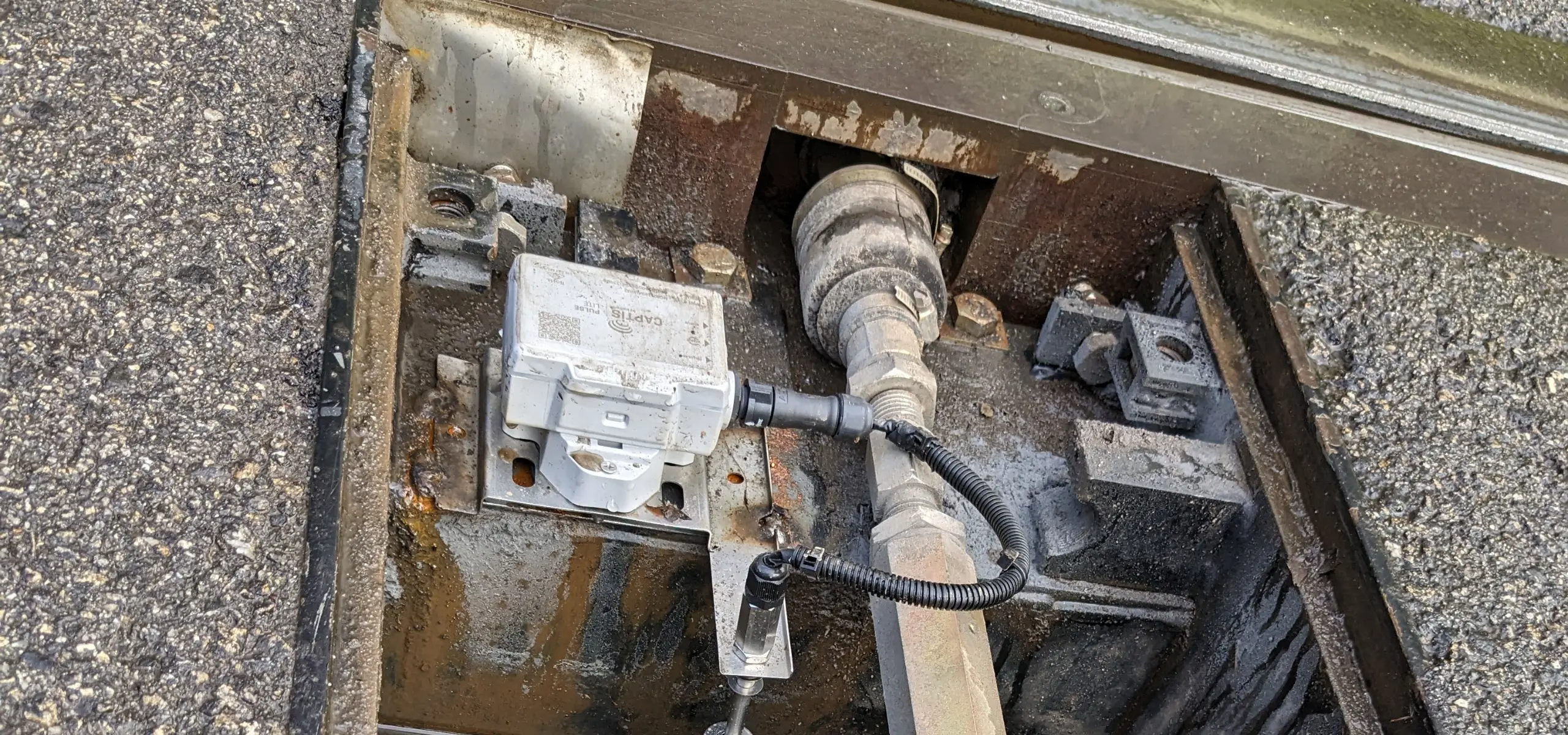
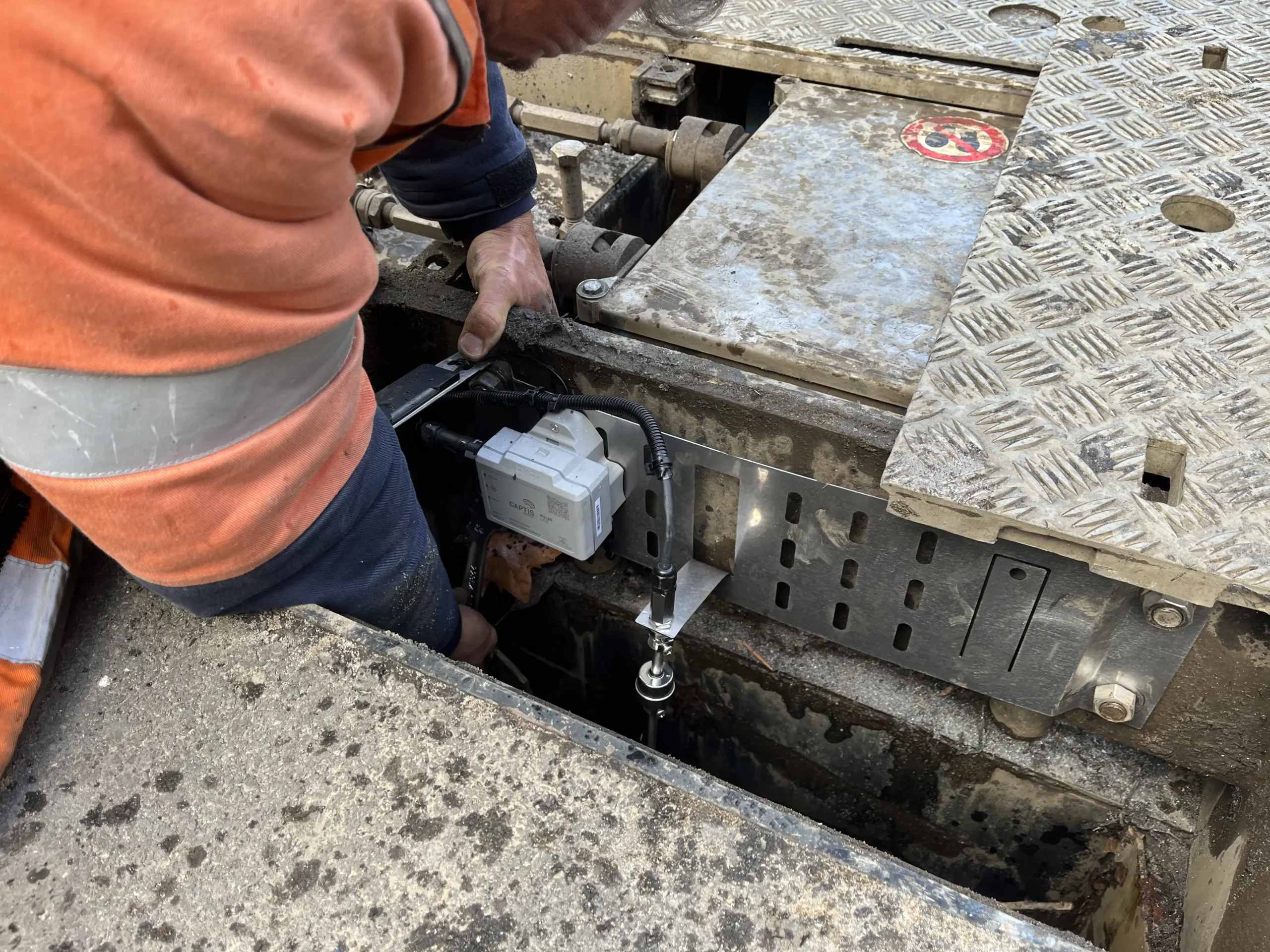
Captis Pulse Lite devices, along with the Captis Pit Monitoring Accessory Kit, were deployed across manual and automated pits. The devices are set up to alert Yarra Trams when pits are either at risk of overflowing or have failed to drain.
The tiered notification system – ranging from ‘Watch and Wait’ to ‘Act Now’ – gives the team the ability to react in real time, dispatching crews only when needed. This proactive monitoring reduces unnecessary site visits, lowers disruption to the tram network, and allows better prioritisation of post-storm recovery efforts.
Beyond immediate alerts, the data captured also provides valuable insight into drain performance, including how long it takes for pits to clear after rain. This has helped Yarra Trams uncover recurring drainage issues such as clogs or design flaws and take corrective action.
Impact
-
Reduced service delays and safety risks
-
Improved maintenance planning and resource allocation
-
Real-time alerting based on drain performance
-
Data-driven upgrades to drainage design
The system now plays a key role in modernising Yarra Trams’ infrastructure, enabling smarter decisions and more efficient operations across the entire network.

How rail pit monitoring works
Play video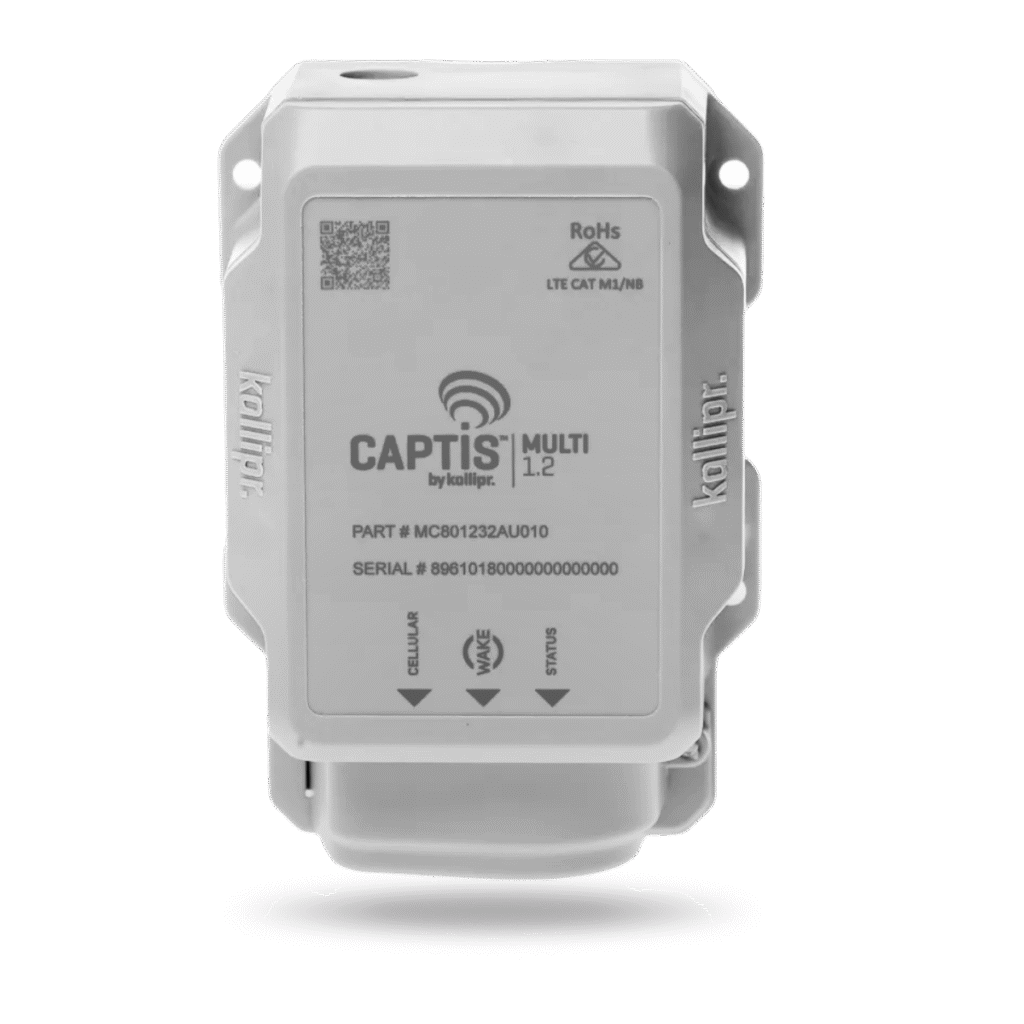
You might also like